Mood Fluctuations
Increased irritability, reduced patience with minor inconveniences, or feeling more emotionally reactive than usual.
Understanding the various ways tiredness manifests in daily life
The body communicates fatigue through various physical sensations and changes
Physical signs of fatigue can range from subtle to obvious. Learning to recognize these signals early can be valuable for understanding your energy patterns.
Common physical indicators include:
These signs vary between individuals and may appear in different combinations depending on the type and source of fatigue.
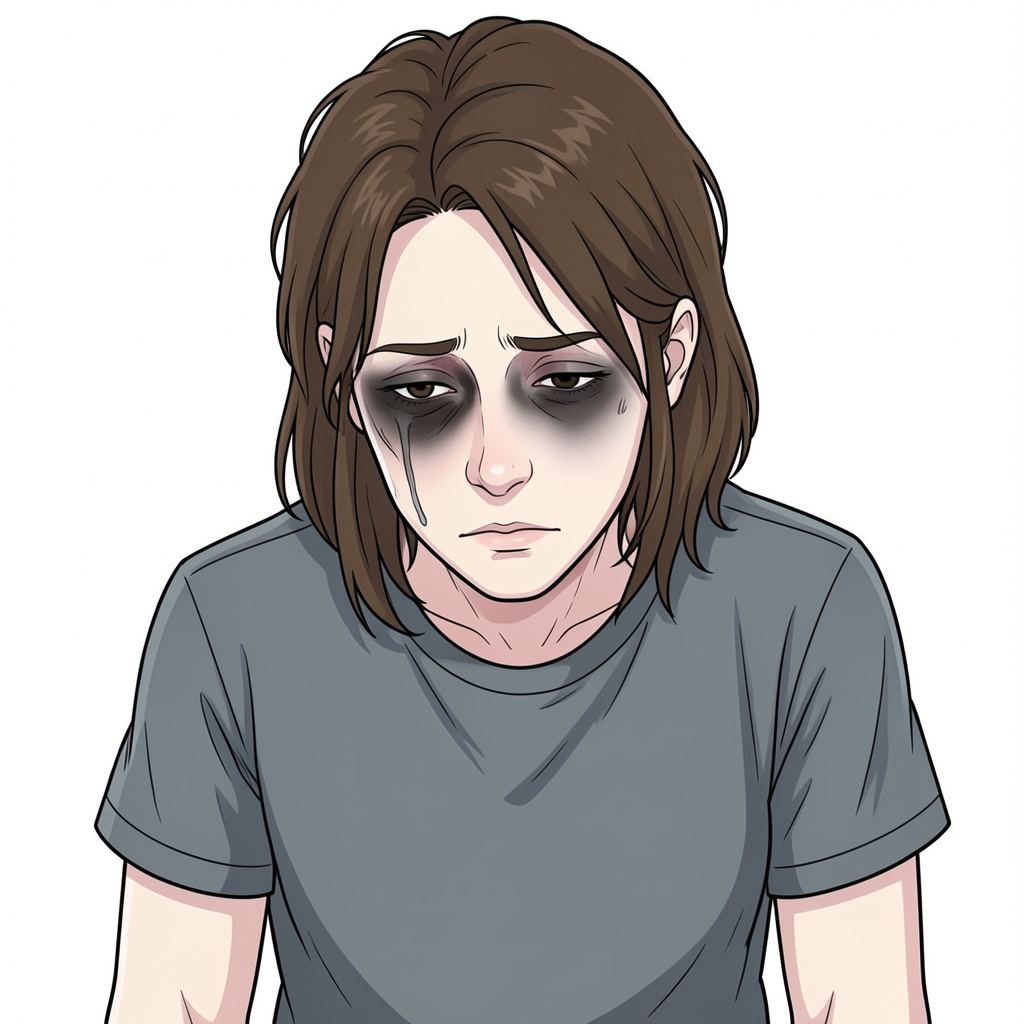
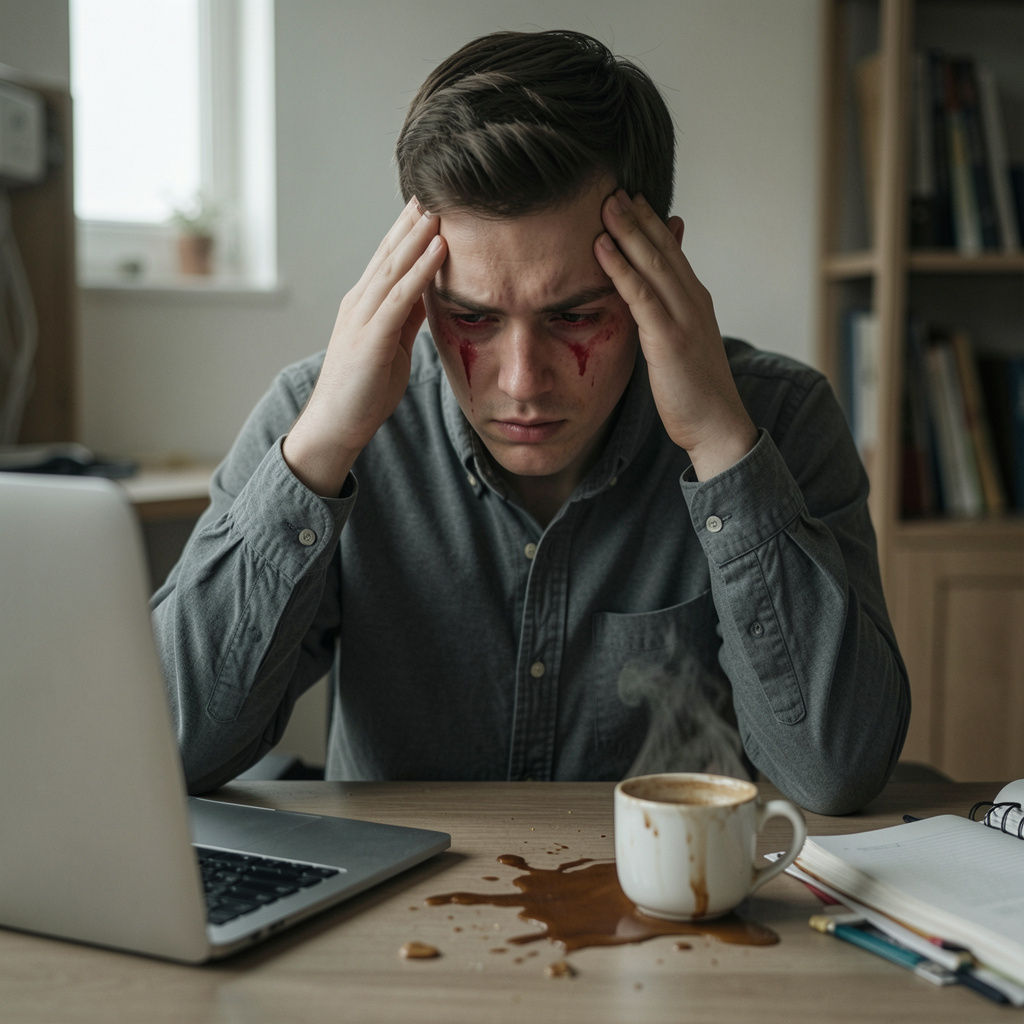
Mental fatigue affects cognitive function and can be just as impactful as physical tiredness. It often develops after sustained mental effort or decision-making.
Signs of mental fatigue include:
Mental fatigue can accumulate throughout the day, especially during tasks requiring sustained attention or complex thinking.
Fatigue influences mood, motivation, and how we interact with our environment
Increased irritability, reduced patience with minor inconveniences, or feeling more emotionally reactive than usual.
Decreased enthusiasm for activities normally enjoyed, or feeling that tasks require more effort to initiate.
Preferring solitude over social interaction, or finding conversations more draining than they typically feel.
Difficulty making even simple choices, or tendency to avoid decisions and defer them to later.
Increased reliance on caffeine, sugar, or other quick energy sources to maintain alertness.
Procrastinating on important activities, or gravitating toward easier, less demanding tasks.
Many people experience predictable energy dips at certain times. Common patterns include mid-afternoon slumps or evening fatigue, though individual rhythms vary.
Different activities drain energy in different ways. Physical exertion, mental concentration, emotional processing, and social interaction each have distinct fatigue profiles.
Fatigue can build over hours, days, or weeks. A single night of poor sleep has different effects than chronic sleep insufficiency.
Noticing how long it takes to feel restored after different activities provides insight into your personal energy dynamics.
Disclaimer: All materials and practices presented are for educational and informational purposes only and are intended to support general well-being. They do not constitute medical diagnosis, treatment, or advice. Before applying any practice, especially if you have chronic conditions, consult a qualified healthcare professional.